📋 Key Takeaways
- ✓ Antioxidants neutralize free radicals – unstable molecules that damage cells and contribute to aging and disease
- ✓ Whole foods are better than supplements – antioxidant supplements may be harmful in high doses
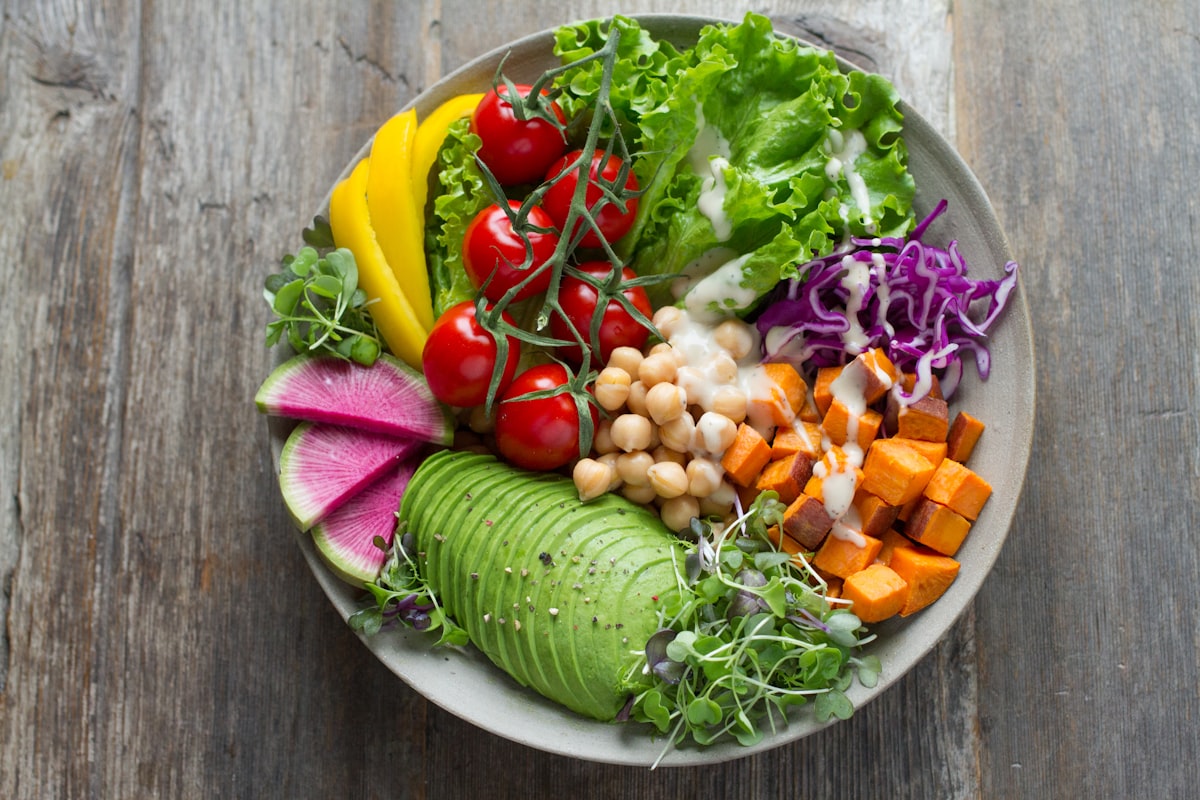
- ✓ Colorful fruits and vegetables are the best sources – different colors provide different antioxidants
- ✓ You don't need expensive "superfoods" – common berries, leafy greens, and nuts are excellent sources
Introduction
"Should I be taking antioxidant supplements?" This is a question I hear frequently, fueled by marketing claims about "superfoods" and anti-aging miracles.
The truth is more nuanced. Antioxidants are essential for health, but more isn't always better. In fact, high-dose antioxidant supplements have been linked to harm in some studies.
In this guide, I'll explain:
- What antioxidants are and how they work
- The role of free radicals and oxidative stress
- The best food sources of antioxidants
- Why supplements often fail (and can be dangerous)
- How to build an antioxidant-rich diet
What Are Antioxidants?
Antioxidants are compounds that neutralize free radicals – unstable molecules that can damage cells, proteins, and DNA. This damage, called oxidative stress, is linked to aging, inflammation, and chronic diseases including heart disease, cancer, and neurodegenerative disorders.
Your body produces some antioxidants naturally, but you also get them from food. Major dietary antioxidants include:
- Vitamin C: Citrus, bell peppers, strawberries
- Vitamin E: Nuts, seeds, vegetable oils
- Beta-carotene: Carrots, sweet potatoes, leafy greens
- Selenium: Brazil nuts, seafood, eggs
- Polyphenols: Berries, tea, coffee, dark chocolate, red wine
- Flavonoids: Onions, apples, tea, citrus
- Lycopene: Tomatoes, watermelon, pink grapefruit
How Free Radicals Work
Free radicals are produced naturally during metabolism, exercise, and immune responses. They're not entirely bad – your immune system uses them to fight infections. Problems arise when free radicals overwhelm your body's antioxidant defenses.
Sources of Excess Free Radicals
- Smoking and air pollution
- Ultraviolet (UV) radiation
- Alcohol consumption
- Processed and fried foods
- Chronic stress
- Poor sleep
Best Food Sources of Antioxidants
Berries
Blueberries, strawberries, raspberries, blackberries – rich in anthocyanins
Dark Chocolate
70%+ cocoa – flavanols, polyphenols
Green Tea
EGCG – powerful polyphenol
Nuts and Seeds
Walnuts, pecans, sunflower seeds – vitamin E, selenium
Tomatoes
Lycopene (best when cooked)
Leafy Greens
Spinach, kale, Swiss chard – lutein, zeaxanthin
Coffee
Major source of antioxidants in Western diet
Garlic and Onions
Allicin, quercetin
The "Eat the Rainbow" Rule
Different colored fruits and vegetables contain different antioxidants:
| Color | Key Antioxidants | Food Sources |
|---|---|---|
| 🟥 Red | Lycopene, anthocyanins | Tomatoes, watermelon, red peppers, strawberries |
| 🟧 Orange/Yellow | Beta-carotene, vitamin C | Carrots, sweet potatoes, oranges, mangoes, squash |
| 🟩 Green | Lutein, zeaxanthin, chlorophyll | Spinach, kale, broccoli, avocado, kiwi |
| 🟪 Purple/Blue | Anthocyanins, resveratrol | Blueberries, eggplant, purple cabbage, grapes |
| ⬜ White | Allicin, quercetin | Garlic, onions, cauliflower, mushrooms, bananas |
The ORAC Score: Helpful or Hype?
The Oxygen Radical Absorbance Capacity (ORAC) score measures antioxidant capacity in a test tube. However, it doesn't predict how antioxidants work in the human body, and the USDA removed its ORAC database in 2012.
Bottom line: Don't chase ORAC scores. Eat a variety of colorful fruits and vegetables instead.
Why Antioxidant Supplements Often Fail
Large clinical trials of antioxidant supplements have been disappointing – and sometimes harmful:
- Beta-carotene supplements increased lung cancer risk in smokers
- Vitamin E supplements didn't prevent heart disease and may increase hemorrhagic stroke risk
- Vitamin C supplements haven't shown clear benefit for preventing chronic disease
Why the Disconnect?
- Whole foods contain complex mixtures – isolated compounds may not work the same way
- Antioxidants work synergistically – they need each other to function optimally
- Timing matters – some free radicals are beneficial (immune function, exercise adaptation)
- Dose matters – high-dose supplements can become pro-oxidants
👨⚕️ Dr. Mubangwa's Clinical Note
I tell patients: "Get your antioxidants from food, not pills." A diet rich in colorful fruits and vegetables provides thousands of antioxidant compounds that work together. No supplement can replicate that complexity. The one exception? If you don't eat enough fruits and vegetables, focus on improving your diet – not taking supplements.
Specific Antioxidants and Their Benefits
Vitamin C
Essential for immune function, collagen production, and iron absorption. Found in citrus, bell peppers, strawberries, broccoli.
Vitamin E
Protects cell membranes from oxidative damage. Found in nuts, seeds, vegetable oils.
Beta-carotene
Converted to vitamin A; important for eye health and immune function. Found in orange and dark green vegetables.
Lycopene
Linked to reduced prostate cancer risk. Best absorbed from cooked tomatoes with olive oil.
Resveratrol
Found in red grapes and red wine. May have cardiovascular benefits, but evidence is mixed.
Curcumin
The active compound in turmeric. Anti-inflammatory and antioxidant properties. Poorly absorbed unless taken with black pepper.
Sample Antioxidant-Rich Day
Frequently Asked Questions
Q: Are "superfoods" really that special?
A: The term "superfood" is marketing, not science. While foods like acai, goji berries, and spirulina are nutritious, they're not magical. Common foods like blueberries, broccoli, and beans are just as beneficial.
Q: Should I take resveratrol supplements?
A: Probably not. Resveratrol is poorly absorbed, and supplements haven't shown clear benefits. If you want resveratrol, drink red wine occasionally (in moderation) or eat red grapes.
Q: Can antioxidants prevent cancer?
A: A diet rich in fruits and vegetables is associated with lower cancer risk. However, antioxidant supplements have not been shown to prevent cancer and may increase risk in some cases.
Q: Are frozen fruits and vegetables as good as fresh?
A: Yes – sometimes even better. Frozen produce is picked at peak ripeness and flash-frozen, preserving nutrients. They're convenient and affordable.
Doctor's Bottom Line
Antioxidants are essential for health, but the best source is whole foods, not supplements. Here's my advice:
- Eat the rainbow. Different colors provide different antioxidants.
- Focus on whole foods. Fruits, vegetables, nuts, seeds, legumes.
- Limit processed foods. They often lack antioxidants and may contain pro-oxidant compounds.
- Skip the supplements. Unless you have a specific deficiency, you don't need them.
- Reduce oxidative stress. Quit smoking, limit alcohol, manage stress, sleep well.
Remember: You don't need expensive "superfoods" or exotic berries. A colorful diet of common fruits and vegetables provides all the antioxidants your body needs.
References
- National Institutes of Health. Antioxidants: In Depth. 2025.
- Harvard T.H. Chan School of Public Health. Antioxidants. 2026.
- Bjelakovic G, et al. Antioxidant supplements for prevention of mortality in healthy participants. Cochrane Database Syst Rev. 2012.
- USDA. Oxygen Radical Absorbance Capacity (ORAC) of Selected Foods. 2010.