📋 Key Takeaways
- ✓ The gut-brain axis is a real, bidirectional communication system – your gut talks to your brain, and your brain talks to your gut
- ✓ Your gut produces 95% of your body's serotonin – the "happy chemical" that regulates mood, sleep, and appetite
- ✓ An imbalanced gut microbiome is linked to anxiety, depression, and stress – healing your gut can improve mental health
- ✓ Dietary changes can improve both gut and mental health within weeks – fermented foods, fiber, and omega-3s are key
Introduction
"I have butterflies in my stomach." "I had a gut feeling." "That decision made me nauseous."
These common phrases aren't just metaphors – they reflect a deep biological reality. Your gut and brain are in constant, two-way communication through a complex network known as the gut-brain axis.
As an internal medicine physician, I've seen countless patients whose digestive issues were triggered by stress, and equally as many whose anxiety improved dramatically when they fixed their gut health. The connection is undeniable – and increasingly backed by rigorous science.
Research has shown that the gut-brain connection is a real, bidirectional highway of communication. Your gut microbiome influences your mood, cognitive function, and mental health. Simultaneously, your brain affects your digestion, gut motility, and microbiome composition.
In this guide, I'll explain:
- The anatomy and physiology of the gut-brain connection
- How your gut bacteria produce neurotransmitters
- The role of the vagus nerve in calming the mind
- How gut inflammation affects mental health
- Evidence-based foods and supplements for gut-brain health
- Practical strategies to improve both digestion and mood
What Is the Gut-Brain Axis?
The gut-brain axis is a bidirectional communication system between your central nervous system (brain and spinal cord) and your enteric nervous system (the nervous system of your gut). This connection involves multiple pathways:
The Vagus Nerve
The longest cranial nerve, running directly from brainstem to abdomen. It carries signals both ways and is the primary physical highway of gut-brain communication .
Neurotransmitters
Gut bacteria produce and influence serotonin, dopamine, GABA, and other mood-regulating chemicals .
Immune System
Gut inflammation triggers systemic inflammation that can affect brain function and mood .
The Microbiome
Trillions of bacteria produce metabolites that influence brain health .
The Gut: Your Second Brain
Your gut has its own nervous system – the enteric nervous system – containing over 100 million neurons. That's more neurons than your spinal cord has. This "second brain" can operate independently, but it's in constant communication with your actual brain.
Neurotransmitter Production
One of the most fascinating aspects of the gut-brain connection is that your gut produces many of the same neurotransmitters as your brain:
| Neurotransmitter | Role | Produced in Gut |
|---|---|---|
| Serotonin | Mood, sleep, appetite | 95% |
| Dopamine | Pleasure, motivation | 50% |
| GABA | Calm, relaxation | Significant amounts |
| Norepinephrine | Alertness, stress response | Produced by gut bacteria |
This means that your gut health directly influences your brain chemistry. When your gut microbiome is imbalanced, neurotransmitter production suffers, potentially affecting mood and mental health .
The Vagus Nerve: The Information Superhighway
The vagus nerve is the primary physical connection between gut and brain. It's like a two-way fiber optic cable carrying information:
- Bottom-up: Signals from gut to brain about digestion, inflammation, and microbiome status
- Top-down: Signals from brain to gut about stress, relaxation, and emotional state
Research shows that stimulating the vagus nerve can reduce anxiety and depression. Activities that enhance vagal tone include deep breathing, meditation, cold exposure, and certain dietary changes .
How Gut Health Affects Mental Health
1. Anxiety and Depression
A 2023 meta-analysis found that people with irritable bowel syndrome (IBS) have significantly higher rates of anxiety and depression. Treating the gut often improves mental symptoms .
Specific gut bacteria strains have been linked to mental health:
- Lactobacillus and Bifidobacterium: Associated with lower anxiety and depression scores
- Low microbial diversity: Linked to higher rates of depression
2. Stress Response
Your gut microbiome influences your HPA axis (the body's stress response system). A healthy gut helps regulate cortisol production, while an unhealthy gut can lead to a hyperactive stress response .
3. Brain Fog and Cognition
Gut inflammation can trigger brain inflammation through multiple pathways, leading to cognitive symptoms like brain fog, poor concentration, and memory issues .
👨⚕️ Dr. Mubangwa's Clinical Note
I've had patients come to me with "mystery" anxiety that didn't respond well to standard treatments. When we investigated their gut health, we discovered issues like SIBO, candida overgrowth, or severe dysbiosis. Treating the gut often brought more relief than anything else we tried. The gut-brain connection is real – don't ignore it.
How Mental Health Affects Gut Health
The connection works both ways. Your mental state directly impacts your digestion:
- Stress: Triggers "fight or flight" mode, reducing blood flow to digestive organs, slowing digestion, and altering gut motility
- Anxiety: Can cause diarrhea, constipation, or IBS flares through the brain-gut axis
- Depression: Associated with changes in gut microbiome composition and reduced microbial diversity
This is why people with anxiety often experience digestive symptoms, and why managing stress is crucial for gut health .
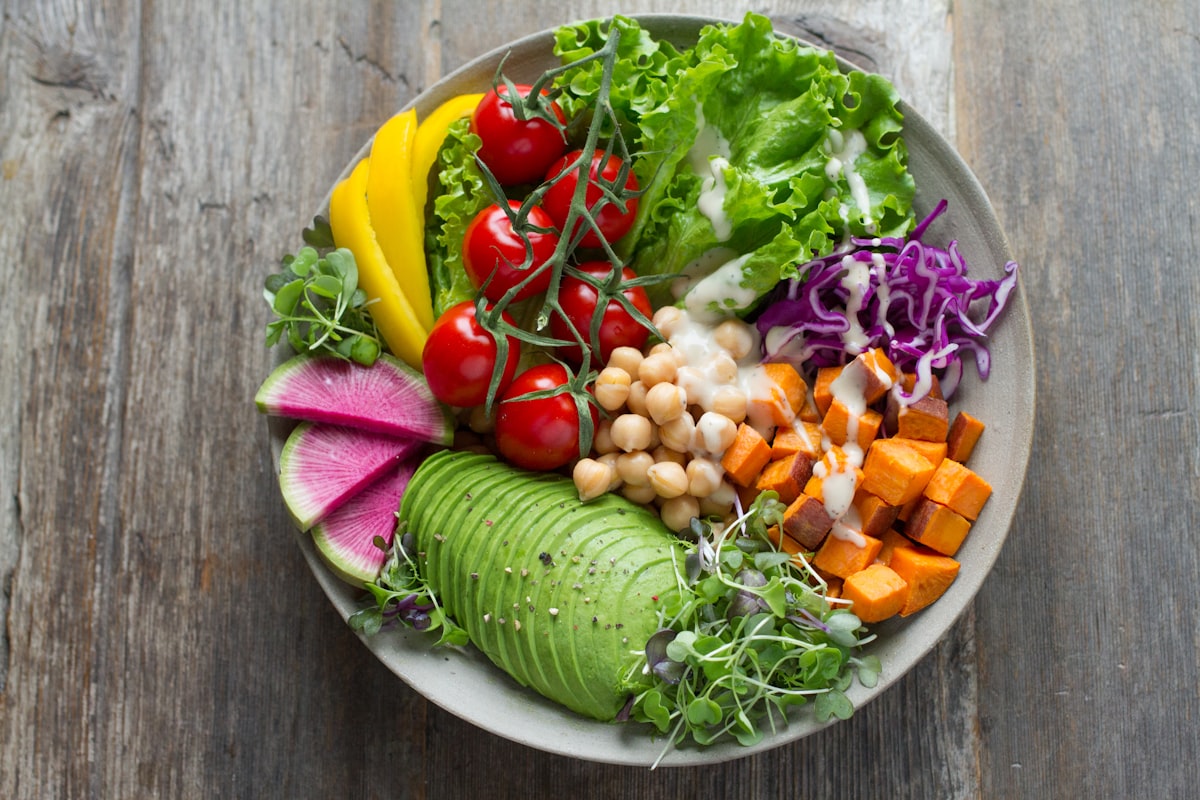
Foods That Support the Gut-Brain Axis
Fermented Foods
Yogurt, kefir, kimchi, sauerkraut, kombucha – contain probiotics that support healthy gut bacteria
Fiber-Rich Foods
Vegetables, fruits, legumes, oats – feed beneficial gut bacteria (prebiotics)
Omega-3 Fatty Acids
Fatty fish (salmon, mackerel, sardines), walnuts, flaxseeds – reduce inflammation
Polyphenol-Rich Foods
Berries, dark chocolate, green tea, olive oil – support beneficial bacteria
Prebiotic Vegetables
Garlic, onions, leeks, asparagus – feed beneficial bacteria directly
Healthy Fats
Avocado, olive oil, nuts – support brain health and reduce inflammation
Foods to Avoid for Gut-Brain Health
- Ultra-processed foods: Damage gut lining and promote harmful bacteria
- Excessive sugar: Feeds pathogenic bacteria and yeast
- Artificial sweeteners: Can disrupt microbiome balance
- Industrial seed oils: Promote inflammation
- Alcohol: Damages gut lining and disrupts microbiome
Supplements for Gut-Brain Health
| Supplement | Evidence | Dosage | Notes |
|---|---|---|---|
| Probiotics (multi-strain) | Strong for gut health, emerging for mental health | 10-50 billion CFU | Look for Lactobacillus and Bifidobacterium strains |
| Prebiotic fiber | Strong | 5-10g daily | Start low to avoid bloating |
| Omega-3s | Strong for brain health | 1-2g EPA+DHA | Anti-inflammatory |
| Vitamin D | Moderate | 1000-2000 IU | Deficiency linked to mood disorders |
| Magnesium | Moderate | 200-400 mg | Glycinate form for anxiety |
Lifestyle Strategies for Gut-Brain Health
1. Stress Management
Chronic stress damages the gut lining and disrupts the microbiome. Practices that reduce stress also heal the gut:
- Mindfulness meditation (reduces cortisol and improves gut symptoms)
- Deep breathing exercises (stimulates vagus nerve)
- Adequate sleep (7-9 hours – crucial for gut repair)
2. Exercise
Regular moderate exercise increases microbial diversity and reduces inflammation. Aim for 150 minutes weekly of mixed cardio and strength .
3. Meal Timing
Consistent meal times support circadian rhythms in both gut and brain. Avoid eating late at night to allow for gut repair during sleep .
The Microbiome-Mood Timeline
Frequently Asked Questions
Q: Can probiotics really help with anxiety?
A: Emerging research suggests yes. Certain probiotic strains (particularly Lactobacillus and Bifidobacterium) have shown promise in reducing anxiety symptoms in clinical trials. They're called "psychobiotics" for this reason .
Q: How long does it take to improve gut health?
A: Dietary changes can shift your microbiome within days, but lasting improvements typically take 4-8 weeks. Consistency is key .
Q: Should I take probiotics and prebiotics together?
A: Yes – they work synergistically. Probiotics introduce beneficial bacteria, while prebiotics feed them. This combination is called synbiotic therapy .
Q: Can gut health affect ADHD or autism?
A: Research is ongoing, but studies have found differences in the microbiomes of people with neurodevelopmental conditions. Some show symptom improvement with dietary interventions .
Q: Is the gut-brain connection real or just hype?
A: It's absolutely real and supported by thousands of peer-reviewed studies. Major medical institutions like Harvard, Johns Hopkins, and the NIH all have active research programs on the gut-brain axis .
When to See a Doctor
- Persistent digestive issues (pain, bloating, irregular bowel movements)
- Anxiety or depression that doesn't respond to standard treatments
- Unexplained fatigue, brain fog, or cognitive symptoms
- Blood in stool or unexplained weight loss
- Severe mood changes affecting daily function
Doctor's Bottom Line
The gut-brain connection is one of the most exciting areas in modern medicine. Here's my advice:
- Start with food. A diet rich in fermented foods, fiber, and omega-3s supports both gut and brain health .
- Manage stress. Meditation, deep breathing, and adequate sleep aren't optional – they're essential for gut health .
- Consider targeted supplements. Probiotics, prebiotics, and omega-3s have the strongest evidence .
- Be patient. Gut healing takes time. Most people need 4-8 weeks of consistent effort to notice significant changes .
- Work with a professional. If you're struggling, consider seeing a gastroenterologist or functional medicine doctor who understands the gut-brain axis .
Remember: your gut and brain are partners in health. When you feed one, you feed the other.
References
- Carabotti M, et al. The gut-brain axis: interactions between enteric microbiota, central and enteric nervous systems. Ann Gastroenterol. 2015;28(2):203-209.
- Foster JA, McVey Neufeld KA. Gut-brain axis: how the microbiome influences anxiety and depression. Trends Neurosci. 2013;36(5):305-312.
- Dinan TG, Cryan JF. The microbiome-gut-brain axis in health and disease. Gastroenterol Clin North Am. 2017;46(1):77-89.
- Sarkar A, et al. The role of the microbiome in the neurobiology of social behaviour. Biol Rev Camb Philos Soc. 2020;95(5):1131-1166.
- Liu RT, et al. Prebiotics and probiotics for depression and anxiety: A systematic review and meta-analysis. Neurosci Biobehav Rev. 2019;102:13-23.
- Breit S, et al. Vagus nerve as modulator of the brain-gut axis in psychiatric and inflammatory disorders. Front Psychiatry. 2018;9:44.